
ADHD AND NEURODIVERGENCE
We offer virtual therapy support for ADHD and neurodivergence, based in Orillia, and offered across Ontario. For neurodivergent people, every day life can be completely overwhelming, between managing tasks, maintaining relationships and keeping everything in order. Our neurodivergent-affirming therapy can offer support with late diagnosis ADHD and neurodivergence, including executive functioning, creating supportive systems, shame, grief, relationship issues and more.

neurodivergent struggles
Struggling to start and finish tasks, missing deadlines, forgetting appointments, difficulty focusing, struggling to prioritize
Organization
Managing rejection, understanding social cues, dealing with conflict, maintaining relationships, unpacking family dynamics
Relationships
Intrusive thoughts, excessive spending, doom-scrolling, big emotional reactions, difficulty with transitions
Self-regulation
Shame and guilt, perfectionism, burnout, anxiety, struggling to meet your own expectations
Self-image
SUPPORT FOR NEURODIVERGENCE
-
Neurodivergent folks often struggle to maintain the same internal structure that neurotypical folks have, so one of our main focuses can be learning to work with your brain and finding the supports it needs, rather than expecting yourself to meet neurotypical ideals.
-
Neurodivergent folks often deal with significant shame and guilt related to not being able to perform in the ways we feel we are expected to. We often learn to motivate ourselves with shame and urgency, which creates a perpetual spiral of burnout and stress. Therapy can help you untangle shame narratives and replace them with positive, compassionate motivation and structuring.
-
With the additional stresses of life, rejection sensitivity, and all of the logistical demands of relationships, relationship issues can feel even more devastating for people who are neurodivergent. Therapy can help create supports, set realistic expectations for you and your partner, and help remove the shame of “failing” your partner.
Frequently Asked Questions
-
Nope! We do believe that diagnosis is a useful tool for naming our experiences and finding relevant resources, but it doesn’t tell the whole story, and it doesn’t necessarily help us understand what specific challenges you are struggling with. Plus, we don’t gatekeep. If you are struggling, you are struggling, and you don’t need to justify yourself with a label to get support.
-
We believe in a multi-pronged approach to managing ADHD. Medication is a great tool for some folks, but it doesn’t solve all your problems. Learning to create systems to support yourself, adjusting expectations and other stuff is equally important as reducing the symptoms.
Also, please note that therapists are not qualified to give speciifc recommendations about medication. We can, however, help you decide if you’d like to try medication, deal with obstacles in getting it, and so on.
-
Often times, we are taught very neurotypical ways of organizing our lives, and then we feel ashamed when those ways are insufficient to help us function. Instead of just giving you more tools that may or may not work for you, we go deeper into identifying the specific needs you have, where you need more support, and where we need to adjust expectations.
-
We are generally taught that neurodivergence is a “disorder” - that is, that there is something wrong with us. Our neurodivergent-affirming therapy focuses both on understanding how in our society set up, neurodivegence does often create hardship and needs extra support, and at the same time, recognizing the ways in which neurodivergence equips us with skills like hyperfocus, excellent pattern recognizition and emotional sensitivity. We understand that it can feel like a blessing and a curse (and often, just a curse), and we strive to create space for the frustration, anger and grief, and then help you move forward into learning into your strengths and learning to manage your weaknesses.
-
When someone we care about is neurodivergent, it can be hard to understand what they are going through, and what role you should take in supporting them. Caregiver burnout is real, and it can feel like you are constantly compensating for the ways your friend or partner struggles.
We believe that the best support you can give to a neurodivergent partner is helping them find resources and create systems that help them function to the level they are able. This approach helps take the pressure off of you to compensate, while empowering them in ways that work well for their brain.
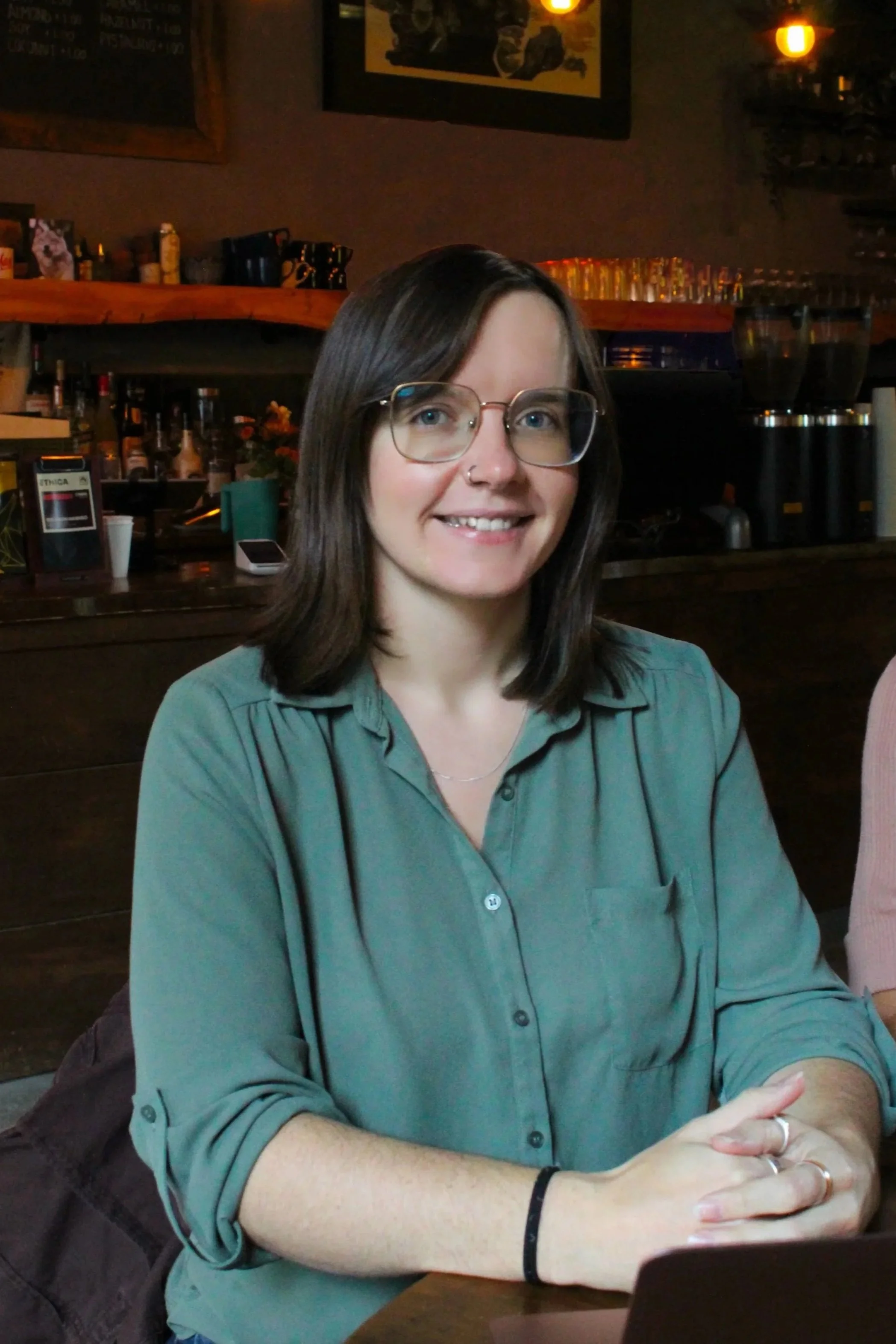
Max McKenzie’s approach to therapy is direct, collaborative and intuitive. They focus on the root cause of issues, rather than just symptoms, to help you maintain long term change. Max strives to hold space for you, challenge you and equip you with the intuitive knowledge and body-informed tools to grow through your areas of stuckness.
We provide secure virtual psychotherapy appointments throughout Ontario and within Simcoe County — Orillia, Gravenhurst, Barrie, Midland, Bracebridge, Collingwood, Coldwater, Washago, Oro-Medonte.